A clearer perspective for your next chapter.
Explore ideas and practical reading for the everyday work of entrepreneurship.
“Be original. Be daring. Be unreasonable.”
Narayana Murthy

Explore ideas and practical reading for the everyday work of entrepreneurship.
“Be original. Be daring. Be unreasonable.”
Narayana Murthy

From testing an idea to running operations, make time to understand the details.
“Can we do something that has never been done before”
Ratan Tata
Explore the places, people and changing context of Indian enterprise.
“Think big. Think fast. Think Ahead.”
Dhirubhai Ambani
RUN · CA, ACCOUNTS & CASH FLOW
Understand how stock, customer payments and supplier terms affect the cash needed to keep everyday operations moving.
Working capital becomes easier to understand when you follow an actual order from the first payment to the final collection. A trader may pay for stock, store it, deliver it and wait for the buyer to settle. A service firm may pay staff and contractors before the client approves the work. In both cases, the business needs money while delivery and payment are separated in time. A growing order book can therefore increase cash pressure. Begin by drawing the sequence for one representative order and writing the payment or collection date beside each step. Revenue alone will not show the whole journey.
Accounting working capital is commonly expressed as current assets minus current liabilities. The operating cycle asks a related but different question: how long cash is tied up in stock and customer balances before supplier credit offsets part of that period. For a simplified stock-based business, the cash conversion cycle is inventory days plus receivable days minus payable days. Discuss the exact calculation and accounting categories with your accountant. Consistent periods and definitions matter more than presenting a precise-looking number. A seasonal business or one taking substantial customer advances may need a more detailed model than a single average can provide.
Track when goods become available for sale and when they leave the business. Separate saleable stock from damaged, obsolete, reserved or customer-owned goods. A store can appear well supplied while much of its cash is trapped in slow-moving items. Review stock by product group rather than assuming that every item sells at the same speed. If you manufacture, distinguish raw materials, work in progress and finished goods. For services, identify work completed but not yet billable, because its labour and contractor costs may already have been paid. Ask what event would release each category into a sale or cash receipt.
Receivable days reflect the time between the relevant sale or invoice and customer collection, depending on the method used. Track overdue and disputed balances separately from ordinary credit terms. An invoice awaiting purchase-order approval is a different problem from a customer refusing to pay. On the supplier side, record agreed due dates and actual payments. Longer supplier terms can help timing, but quietly paying late can damage supply reliability and create charges or disputes. Improve terms through explicit agreement. Avoid presenting delayed obligations as free financing when the supplier has not accepted the arrangement.
Imagine a fictional distributor holding stock for an average of 30 days, collecting from customers after 20 days and paying suppliers after 15 days. Its simplified cycle is 30 + 20 − 15 = 35 days. If relevant cash operating costs average ₹10,000 a day, 35 days suggests approximately ₹3,50,000 tied up in that simplified cycle. This is a teaching estimate, not a borrowing recommendation or a bank assessment. It excludes complications such as deposits, taxes, growth, seasonal peaks and uneven payment dates. A dated cash forecast remains necessary before deciding how much funding the actual business needs.
Work on the cause of the longest delay. Inventory pressure may call for smaller replenishment batches or fewer speculative product variants. Collection delays may call for clearer acceptance records, accurate invoices or earlier agreement on payment milestones. Purchasing pressure may call for negotiated delivery schedules. Do not shorten every timeline indiscriminately. Cutting stock without understanding lead times can interrupt customer delivery; demanding advances from all buyers can change demand. Test one change on a suitable group of orders and monitor its effect on cash, service quality and relationships together. A local improvement should not create a larger problem elsewhere.
Build a weekly view of cash needs for the next operating period. Highlight large orders, festival peaks, planned purchases and customers with unusual terms. A 35-day average may conceal one customer paying immediately and another taking several months. Keep a separate list of concentration risks: the largest buyer balance, the most critical supplier and the stock category with the slowest movement. Review trends alongside the details. A falling cycle can look encouraging while total cash required rises because the business has expanded. Show both the duration and the rupee amounts when discussing the situation with management or an adviser.
Assign responsibility for stock accuracy, invoice acceptance, collection follow-up and supplier communication. Review exceptions at a predictable time and document the action, owner and next date. Keep customer disputes visible rather than reclassifying them as ordinary receivables. Use the same calculation each period, and record any change in definition. The aim is to understand where cash is waiting and what practical action can release it without breaking a promise.
Use this guide to plan questions and next steps for your business. Examples are illustrative; check changing requirements with the relevant authority or professional before acting.
Original starter guide prepared with AI assistance. No independent expert review is claimed.
Find your place to work, your people to meet and a reason to keep moving forward.
Coworking desks, private offices and meeting spaces for the business you are building. Across India
Official source checkedIllustrative photographBengaluru · Karnataka
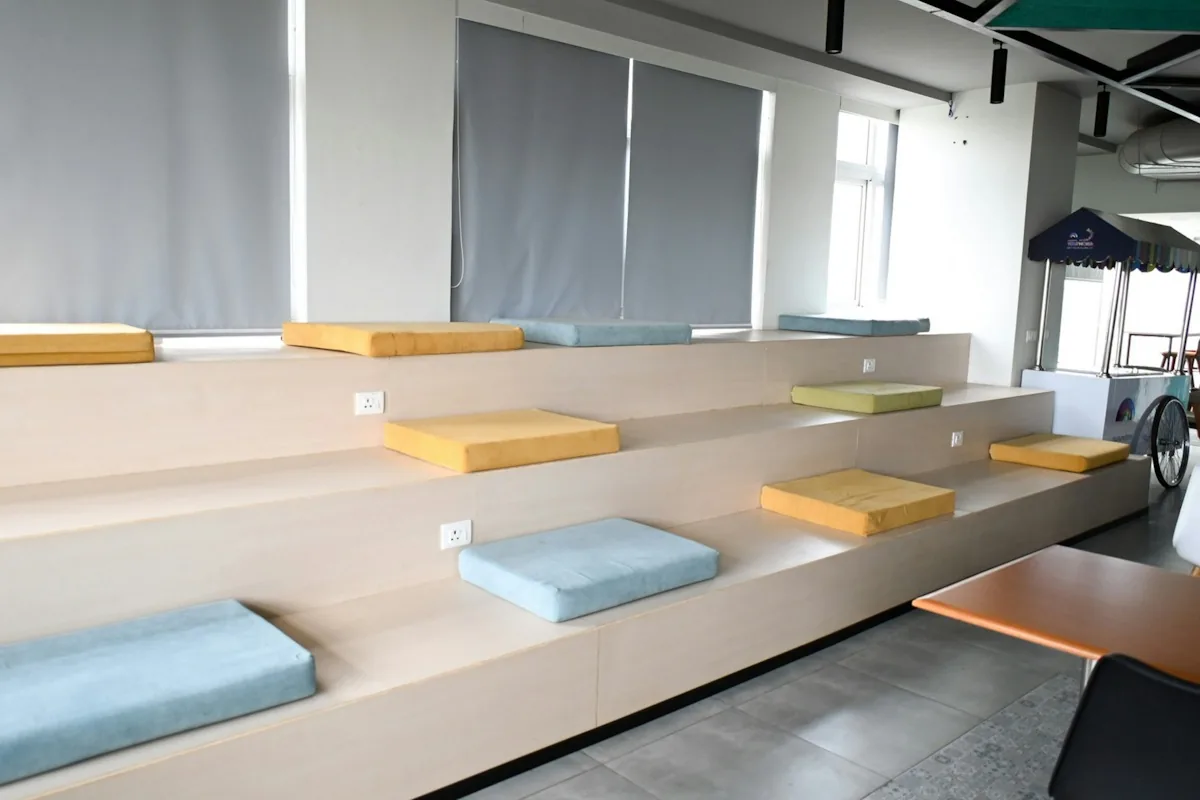
An Infantry Road workspace offering private offices and shared working areas, with meeting rooms listed on the operator’s booking directory.
WeWork India
Prestige Central, 36, Infantry Road, Bengaluru, Karnataka 560001
Confirm current details with WeWork India.
Official source checkedIllustrative photographBengaluru · Karnataka
A central Bengaluru location with private offices, common working areas and meeting rooms, also listed for operator-managed meeting bookings.
WeWork India
Galaxy, 43, Field Marshal Cariappa Road, Bengaluru, Karnataka 560025
Confirm current details with WeWork India.
Official source checkedIllustrative photographMumbai · Maharashtra
A BKC centre offering shared workspaces, private offices and meeting rooms, with a virtual-office option shown on its official page.
WeWork India
Enam Sambhav, C-20, G Block, Bandra-Kurla Complex, Mumbai, Maharashtra 400051
Confirm current details with WeWork India.
Official source checkedIllustrative photographMumbai · Maharashtra
An INS Tower location in BKC where the operator lists private cabins and meeting rooms for business use.
Awfis
14th floor, INS Tower, G Block, opposite Trident Hotel, Bandra Kurla Complex, Bandra East, Mumbai, Maharashtra 400051
Confirm current details with Awfis.
Find a shared workspace for focused days and new connections.
Explore spaces for client meetings, presentations and team sessions.
Look for a dedicated office that fits the way your team works.
Explore business address services and confirm the scope with the provider.
Founder meetups, practical workshops and business events that bring your community closer. Across India
Official source checkedIllustrative photographDelhi · Delhi
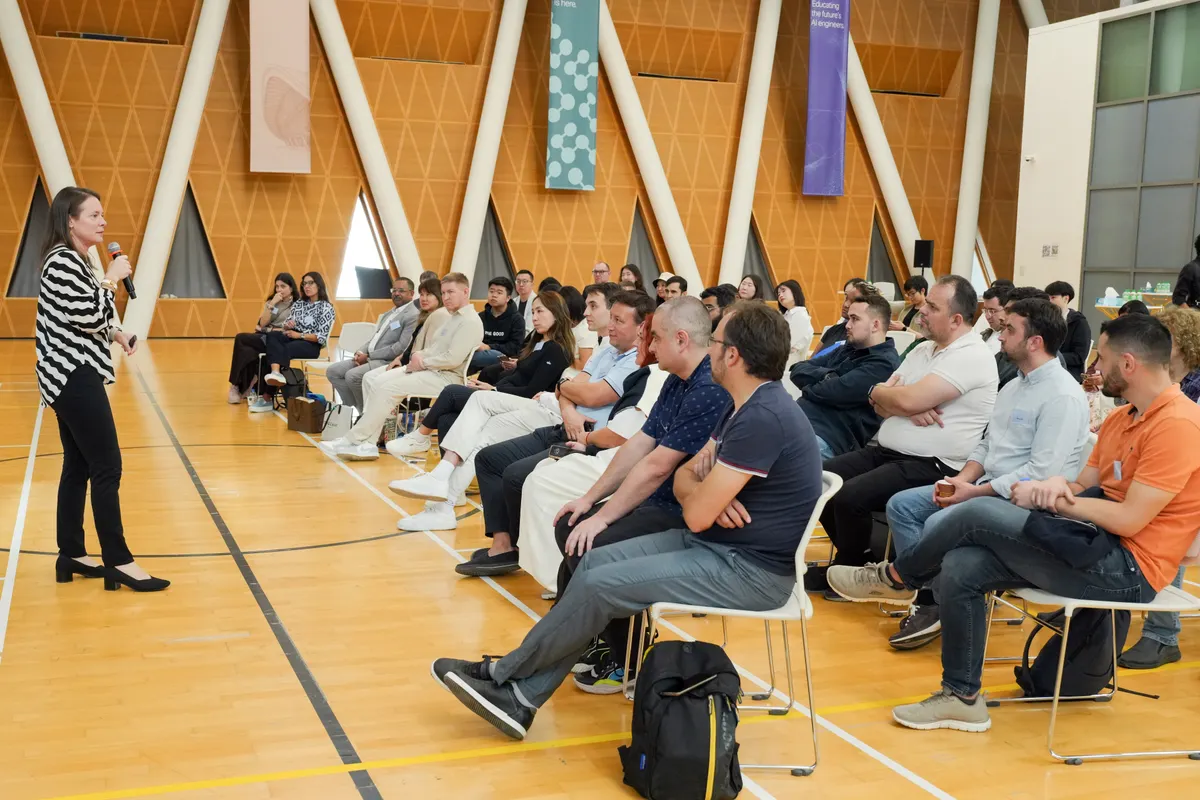
An entrepreneurship conference bringing founders, investors and ecosystem leaders together to discuss the people, capital and ideas shaping growing Indian enterprises.
TiE Delhi-NCR
India Habitat Centre
Confirm current details with TiE Delhi-NCR.
Official source checkedIllustrative photographIndore · Madhya Pradesh
TiE Indore hosts an entrepreneurship gathering focused on founder connections, startup growth, investment conversations and opportunities across the global TiE network.
TiE Indore
Brilliant Convention Centre
Plot No. 5, Scheme No. 78, Part II, Vijay Nagar, Indore, Madhya Pradesh 452010, India
Confirm current details with TiE Indore.
Official source checkedIllustrative photographBengaluru · Karnataka
IAMAI convenes digital businesses, entrepreneurs and policymakers to discuss India’s digital economy, artificial intelligence and the next phase of industry growth.
The organiser currently offers an expression of interest; this does not confirm registration.
Internet and Mobile Association of India (IAMAI)
The Leela Bhartiya City
Confirm current details with Internet and Mobile Association of India (IAMAI).
Official source checkedIllustrative photographDelhi · Delhi
An IT and technology exhibition connecting Indian software exporters and startups with business buyers for sourcing, partnerships and international market conversations.
Electronics and Computer Software Export Promotion Council (ESC)
Bharat Mandapam
Bharat Mandapam, Pragati Maidan, New Delhi, India
Confirm current details with Electronics and Computer Software Export Promotion Council (ESC).
Explore practical sessions for the business you are building.
Find entrepreneur networking and conversations in your city.
Explore opportunities to share ideas and learn from other builders.
Discover business summits, industry conversations and fresh thinking.